
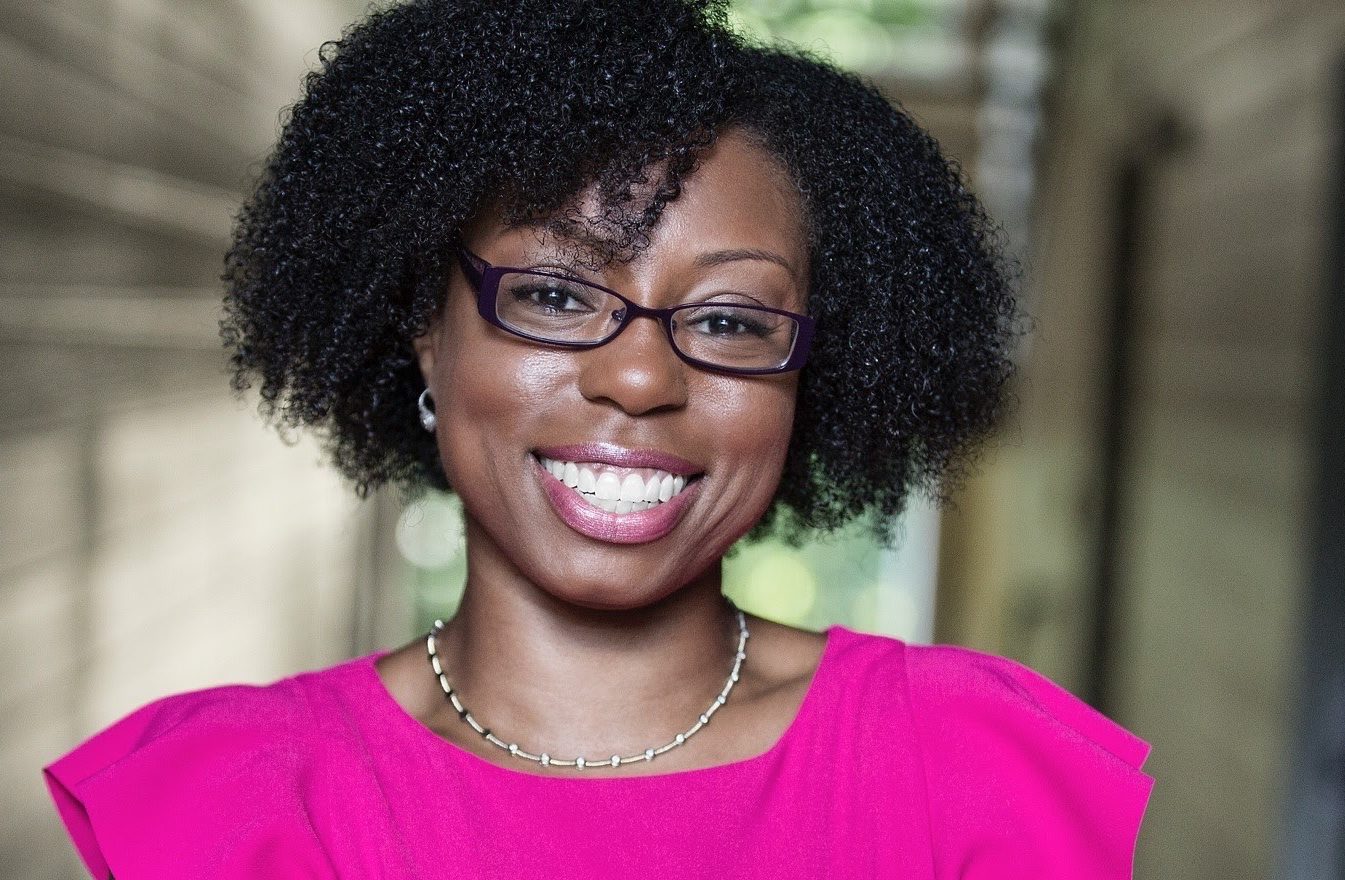
In this gripping episode of Genetics for Healthcare, we sit down with Dr. Alexea Gaffney-Adams, an infectious disease specialist and internist who found herself on the wrong side of the medical system she serves. Despite knowing and sharing her family history, as well as her insistence on her own high-risk status, Dr. Alexea was repeatedly denied genetic testing by her own colleagues—a decision that transformed her from a potential “pre-vivor” into a late-stage cancer survivor.
This conversation reveals an uncomfortable reality of cancer disparities, illustrating how these gaps in care are created when high-risk patients, particularly Black women, are not offered the genomic tools necessary to prevent disease.
It was only after being diagnosed with cancer in both breasts that she finally received the testing that identified her as a PALB2 gene mutation carrier. According to FORCE (Facing Our Risk of Cancer Empowered), a PALB2 mutation significantly increases the lifetime risk for breast cancer—estimated between 33% and 58% by age 70. Furthermore, this variant is linked to increased risks for pancreatic and ovarian cancers, and potentially male breast cancer.
Listen for these uber critical learnings:
- Don’t Let Doctors Be Financial Gatekeepers: Providers often wrongly deny tests based on assumed costs; always demand to know the actual price and consult a certified genetic counselor to determine your true eligibility.
- Ask for the data: armed with your family history, ask your doctors “what are the guidelines for testing (or treatment)?” or “what do studies say someone in my condition should do, and why is it better than other options?” You may find they’re not qualified to answer these questions.
- Exercise your right to a 2nd opinion: even if you are seeing “top-tier” specialists, you should never feel that questioning them is an act of disrespect. It’s your life! If they’re offended, that should tell you something about them, because they should want what you want in this process.
Dr. Alexea’s story is a chilling reminder that even a medical degree cannot always protect a patient from systemic bias and clinical misinformation. Subscribe to the podcast and become your own best advocate for your health!